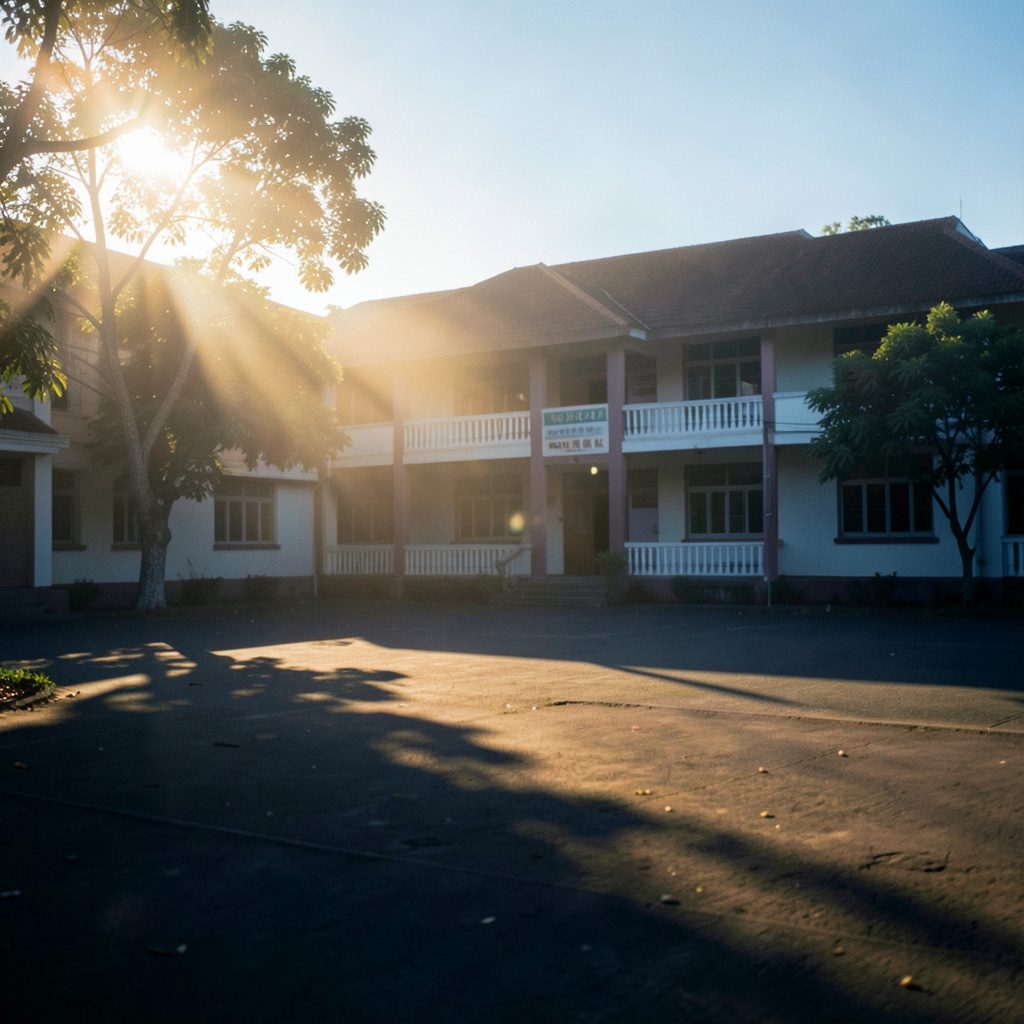
Paket A, B, dan C
Layanan pendidikan kesetaraan setara SD, SMP, dan SMA (IPA & IPS) yang dikelola secara mandiri, kreatif, dan bertanggung jawab.
Pelajari Program →
Lembaga pendidikan berbasis pesantren di Kabupaten Serang, Banten — mengintegrasikan kurikulum pesantren dan pendidikan nasional untuk mencetak kader muslim yang mandiri, kreatif, dan bertanggung jawab.
Lihat program pendidikan kamiDi tengah kehidupan pondok, para santri mengikuti jadwal belajar, beribadah, serta berbagai kegiatan ekstrakurikuler. Salah satu kegiatan yang dekat dengan keseharian adalah berkebun. Program Kelompok Tani Santri di Pondok Pesantren Nurul Ilmi Darunnajah 14 di Serang, Banten, menjadikan lahan sebagai ruang latihan nyata. Di sana, mereka dikenalkan pada proses menanam, merawat, dan memanen hasil tanaman. Lahan yang biasanya lolos dari perhatian akademis berubah menjadi tempat mengamati, mencoba, dan bekerja secara terarah.
Kelompok Tani Santri memiliki fungsi pedagogis sekaligus_crossword discipline. Through the process of planting, they learn that a crop does not grow by chance. Every decision is related to water, sunlight, soil, and timing. Santri also practice patience because a seed needs a different rhythm from studying a chapter. Activities are arranged so that gardening becomes a means of strengthening literacy, responsibility, and cooperation, while keeping the schedule and objectives of Islamic education.
Ketika kelompok dibawa ke lahan, pengamatan tidak lagi berhenti pada diagram di dalam buku. Warna tanah, kondisi daun, dan keberadaan serangga dapat dibahas secara langsung. Dengan,观察 yang saksama, para santri berlatih mengenali gejala dan mengaitkannya dengan faktor lingkungan. Kebun kecil dicision menjadi laboratorium yang dapat dikunjungi kembali pada berbagai tahap pertumbuhan tanaman.
Latihan pengamatan,接着 followed by the ability to formulate questions. Santri dapat Hegeler why a plant looks weak, why the soil becomes compacted, or why watering at a particular time produces different results. The answers need not always be found immediately. Some questions can be recorded and revisited the next day, giving students the experience of conducting simple observations without depending on complicated measuring tools.
Dukungan pendidik membuat kegiatan sesuai usia, kondisi lahan, serta kemampuan kelompok. Younger children can be assigned simpler tasks such as recognizing plant types, filling containers with water, or collecting fallen leaves. Older students can help prepare beds, record crop conditions, and make decisions about care. This arrangement makes the learning load gradual while still involving every santri in meaningful work.
Persiapan lahan perlu dilakukan secara bersama sebelum实践活动 begins. The group can map available land, identify sunlight, observe water flow, and separate areas intended for different purposes. Simple improvements such as clearing grass, loosening the soil, making compost, or arranging small plots can make the area easier to manage. These steps also become opportunities to discuss neatness, safety, and wise use of natural resources.
Pemilihan tanaman harus sesuai dengan kondisi tanah dan musim. Sayuran dengan akar pendek can be grown in beds that are not too extensive, while plants that need more space can be placed in separate plots. The group learns to recognize the advantages and limitations of each choice. Instead of treating all varieties as identical, they pay attention to differences in water needs, growth speed, and resistance to pests.
Jadwal perawatan dan target hasil perlu disusun sebelum=center of attention to a single harvest. Watering, weeding, and fertilizing are distributed across certain days, while each plot receives a clear designation. Pembagian peran dan target mingguan dapat meniru pendekatan belajar berbasis proyek, sebab setiapندي memiliki pekerjaan yang harus diselesaikan according to an agreed schedule. Records of these activities provide a basis for evaluating progress and adjusting the next planting plan.
Kegiatan pagi dapat dimulai dengan pemeriksaan lahan sebelum plants are fully exposed to sunlight. Santri check the soil, see which beds need watering, and look for leaves that show signs of damage. The results are discussed briefly before the division of work begins. A short, regular inspection makes problems easier to address and prevents minor conditions from being overlooked until they become larger.
Division of roles is adjusted to the needs of each session. Some students prepare the tools, while others carry water or work on the beds. Someone records the condition of the plants, and another group tidies the work area. Before using tools, the students are reminded to handle them carefully and work within the agreed boundaries. This simple order teaches that every job has a standard, including jobs that may initially seem small.
Evaluasi rutinitas dilakukan bukan hanya melalui hasil panen. Amount of water used, number of tools returned, and the cleanliness of the plots can also become discussion materials. Santri are encouraged to identify what worked, identify what needs correction, and consider how weather changes the schedule. Such reflection connects daily activities with the discipline of planning and responsible reporting.
BidangDDR Session provides natural links to several subjects. Counting the number of seedlings introduces basic mathematics, while comparing the height of plants develops observation and estimation. Discussions about water and sunlight touch on science, and attention to beneficial insects introduces ecological relationships. In Islamic education, the activity can also open conversations about patience, gratitude, responsibility, and care for living things.
Literacy skills grow through the need to explain observations clearly. Santri can compose simple reports, read short cultivation guidelines, or record observations in a shared notebook. A discussion on reading methods can also be found in metode Kitab Kuning. Although the material differs from agricultural science, the habit of reading carefully and connecting text with actual experience provides a useful bridge between the two fields.
Dokumentasi hasil kegiatan perlu dilakukan dengan memperhatikanAspect privacy and the dignity of the students. Photos and written records can support reflection, especially when presented during digital gathering activities involving other students. The material can show the stages of cultivation, the roles of the group, and the lessons gained from each cycle. At the same time, the preparation of documentation trains the santri to communicate responsibly and to respect the people being recorded.
Kerja bersama begins with a clear understanding of the target. The group divides the land, agrees on the schedule, and determines which parts require cooperation. No single student carries the entire responsibility. Every member receives a task according to the day's needs, while the group leader ensures that no part of the work is left unattended. This structure turns cooperation into a concrete responsibility rather than a general slogan.
Problems that arise are dealt with through open discussion. When rain makes the soil too wet, the group can move the activity to tool preparation or indoor discussion. When a plant is damaged, students examine possible causes before deciding what to do next. Weather changes, shortages of water, and disagreements over the division of tasks become useful materials for learning communication, patience, and collective problem-solving.
The cooperative process also builds trust between students with different habits and abilities. A diligent worker is not always the fastest, while a student who speaks easily does not necessarily understand the condition of the soil. Each person contributes knowledge from a different field of experience. The result is a work rhythm that combines discipline, mutual respect, and the willingness to complete a shared task before moving on to personal activities.
Berkebun membentuk habits that are directly felt in daily life. Santri become more attentive to waste, more careful with water, and more responsible for returning tools to their proper place. They also learn that success cannot be measured solely through a large harvest. Consistency in watering, careful observation, and proper cooperation can be just as valuable as the final yield.
Benefits extend to communication with families and the surrounding community. Santri can explain what they have learned about caring for plants and share simple information about the origin of the vegetables used in the pondok. The activity also opens the possibility of collaboration with alumni, parents, or neighboring farmers who have knowledge about cultivation. Such connections make the land a place where the school’s educational values become tangible.
The long-term value of this program lies in the formation of a sustainable learning habit. The crop cycle can be repeated, the records can serve as references, and improvements can be made for each new cycle. For the Pondok Pesantren Nurul Ilmi Darunnajah 14, the presence of a productive-small field and active cooperation in it provides a concrete picture of Islamic character, scientific curiosity, and independence.

Siapkan berkas pendaftaran dan raih kesempatan mengenyam pendidikan di lingkungan pesantren yang berakhlak, berilmu, dan berdaya saing. Konsultasi pendaftaran dapat dilakukan melalui WhatsApp dan email resmi.
Tiga pilar pendidikan yang membentuk karakter, keterampilan, dan kemandirian santri.
Layanan pendidikan kesetaraan setara SD, SMP, dan SMA (IPA & IPS) yang dikelola secara mandiri, kreatif, dan bertanggung jawab.
Pelajari Program →
SMK berbasis pesantren yang berdiri sejak 18 Juli 2005, dengan fokus bidang Teknologi Informasi dan Komunikasi serta sistem pembelajaran ganda.
Tentang SMK →
Jenjang SMP yang menggunakan kurikulum TMI gabungan antara kurikulum pesantren dan Kementerian Pendidikan.
Info SMP →Update kegiatan, kunjungan, dan artikel dari lingkungan pesantren.

18 September 2013
Kunjungan dosen Al-Azhar untuk peningkatan bahasa Arab para santri.
Baca selengkapnya →
Juli 2023
Pedoman kegiatan akademik pesantren untuk tahun pelajaran terbaru.
Baca selengkapnya →
2013
Pelaksanaan BRO (Banten Robotik Olimpiade) dan XENI AND JOTI sebagai bagian dari pengembangan bakat santri.
Lihat galeri →
2012
Standar mutu manajemen diterapkan dalam kegiatan pesantren sejak 2012.
Profil pesantren →